
CAFM vs. IWMS: 2026 Guide to Facility Management Software Users
Comparing CAFM vs. IWMS: Which Software Fits Your Facility Needs?
In the modern landscape of building operations, data is the most valuable asset a manager possesses. As we move through 2026, the choice between Computer-Aided Facility Management (CAFM) and an Integrated Workplace Management System (IWMS) is no longer just about tracking maintenance—it is about choosing a digital architecture that supports long-term scalability and vendor integration.
To choose the right platform, one must understand the fundamental difference in their “DNA.”
- What is CAFM? CAFM is a “bottom-up” tool designed for the technical team—the people responsible for the physical uptime of a building. It excels at managing assets, tracking work orders, and maintaining floor plans.
- What is IWMS? An IWMS is a “top-down” enterprise solution. It integrates five core pillars: Real Estate, Project Management, Facilities, Sustainability (ESG), and Service Management.
Defining the Technical Scope of CAFM and IWMS
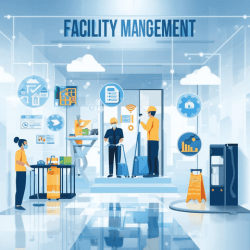
Targeting the Tech Stack: Reaching Specific Software Users
For B2B service providers, knowing which software a facility uses is a massive competitive advantage. If a company uses a high-end IWMS like IBM Tririga or Oracle, they likely have complex, enterprise-level needs.
By accessing a specialized Facility Management Software Users List, you can tailor your sales pitch to the specific technology they already use. Whether you are selling integration services or compatible hardware, targeting a Software User Database ensures your message resonates with their current digital infrastructure.
Why Data Integrity is the Foundation of Any FM Software
No matter how advanced your software is, it is only as powerful as the data residing within it. Transitioning to a new CAFM or IWMS requires a clean, verified database. Utilizing a Verified Facility Management Email List during implementation ensures that your automated workflows reach the right decision-makers without the risk of high bounce rates.
Testimonial
We migrated to a new IWMS last year and needed a clean slate for our vendor database. The Facility Management Software Users List from FML was 98% accurate, saving our procurement team months of manual verification. It’s the only data source we trust for high-stakes campaigns.

Launching an IoT sensor suite requires reaching technical decision-makers, not just general managers. FML provided a segmented list of Facility Plant Managers that resulted in a 22% open rate—nearly triple the industry average. Their data is truly human-verified.

Finding verified contacts for Assisted Living Facilities and specialized hospitals is notoriously difficult. FML delivered a CASS-certified list within 48 hours that allowed us to scale our medical cleaning services across three new states instantly.